Volkswagen Tiguan e‑Hybrid: The Pragmatic Plug‑in for Families
- 20somethingmedia
- May 15
- 5 min read
The 2024 Volkswagen Tiguan e‑Hybrid marks the third generation of VW’s bestselling mid‑size SUV, and it arrives with a clear mission: to blend everyday practicality with electrified efficiency without sacrificing the familiar Tiguan formula that has long appealed to families. With a plug‑in hybrid powertrain, a tech‑packed cabin, and a comfortable ride, the e‑Hybrid is less about thrilling performance and more about doing the sensible thing—especially for fleet and company‑car users.
Design and Stance
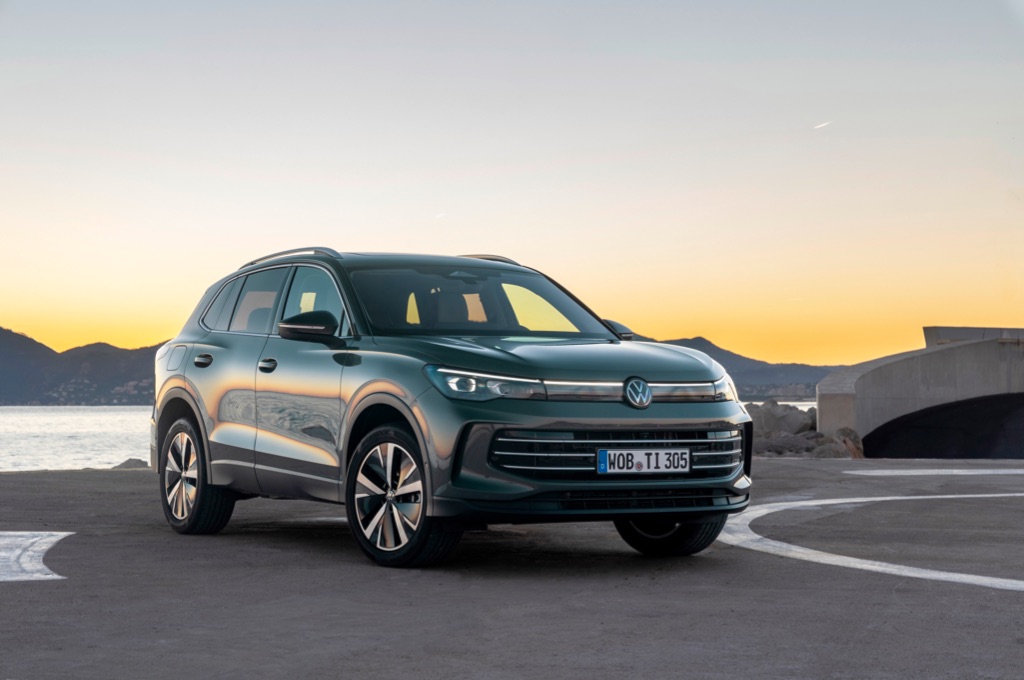
The new Tiguan sits on a longer wheelbase and a wider track, giving it a more planted, modern stance on the road. It retains the conservative but tidy Volkswagen styling language, with clean lines, slim LED headlights, and a subtly flared rear end that hints at its dual‑fuel nature. The e‑Hybrid badge and charging flap on the flank are the only obvious visual cues to its plug‑in status, meaning it blends in with the regular Tiguan lineup while still feeling fresher than the previous generation.
Powertrain and Performance
At its core, the Tiguan e‑Hybrid pairs a 1.5‑litre turbo‑charged petrol engine with an electric motor, delivering total system outputs of either 204 hp or 272 hp depending on specification. The setup is managed through a six‑speed DSG automatic that prioritises smooth progression over sportiness, and the combined kerb weight—close to 1,900 kg—means this isn’t a car that thrills you in corners, but it does get you there comfortably.
The real performance story is electric‑only capability. With a 19.7 kWh battery, the e‑Hybrid can manage around 70‑plus miles of EV‑style driving on a full charge, depending on conditions and driving style. Around town and on short commutes, the car can behave like a near‑silent electric SUV, dropping into petrol power only when required or when the battery is depleted.



Efficiency and Running Costs
For company‑car drivers and fleet managers, the Tiguan e‑Hybrid is particularly interesting. The WLTP‑based CO₂ figures deliver a very low Benefit‑in‑Kind (BIK) tax rating, often around 5%, which dramatically reduces monthly tax liability for higher‑rate taxpayers. In real‑world mixed‑use scenarios, the Tiguan also proves competitive on an overall cost‑per‑mile basis, undercutting or matching rivals like the Hyundai Tucson, Kia Sportage and Ford Kuga plug‑ins.
Fuel economy is heavily mode‑dependent: if you regularly plug in and keep the battery charged, tank‑only petrol figures become almost irrelevant. However, if the hybrid battery is allowed to run down, the car defaults to a conventional petrol SUV, which is still adequate but far less economical.
Interior and Practicality
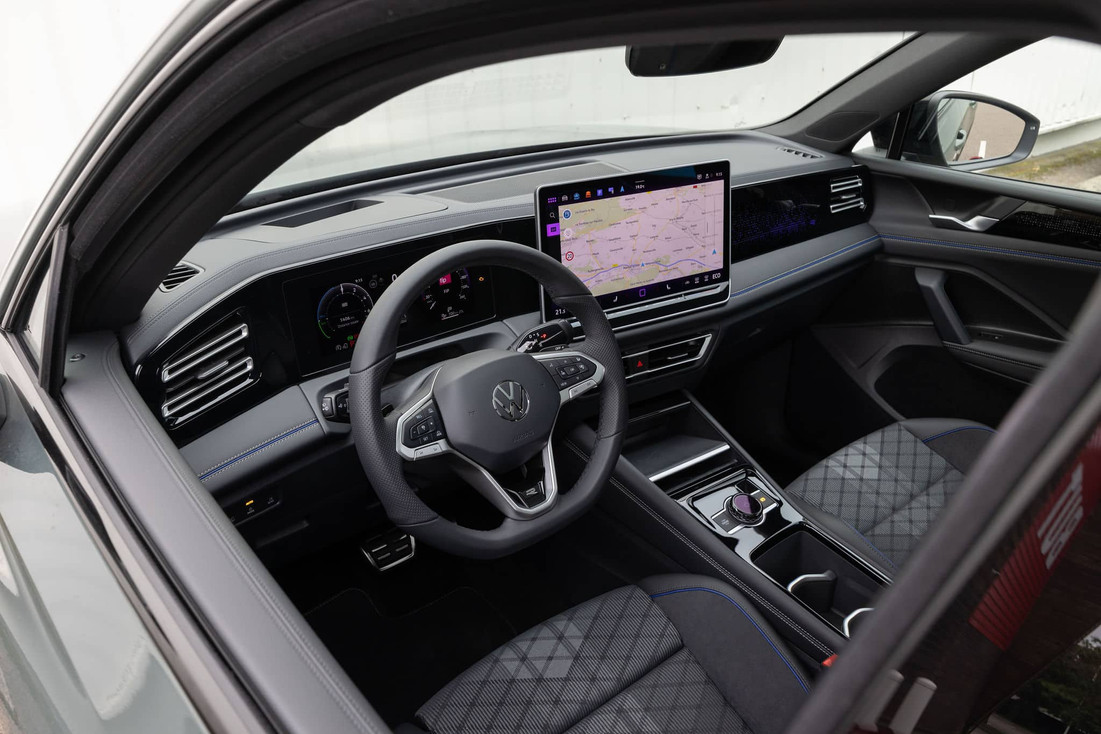
Inside, the 2024 Tiguan feels more upscale than its predecessor. The dashboard is dominated by a large 12.9‑inch infotainment screen and a 10.5‑inch digital driver display, with a clean, minimalist layout that avoids the worst of the old‑school button clusters. Material quality is a step up, with soft‑touch plastics, neat fabric/trim details, and a slightly more premium ambience even in mid‑grade trims.
Space is where the Tiguan has always excelled, and the e‑Hybrid is no exception. Rear passengers enjoy generous legroom and headroom, even with an optional panoramic sunroof, and the rear bench adjusts for fore‑aft position and recline on higher trims. There are dedicated rear‑seat climate controls, multiple USB ports, and thoughtful storage cubbies, which make long family trips feel less taxing.
The hybrid battery does impose a penalty: boot capacity is reduced by around 162 litres compared with non‑hybrid Tiguan variants, landing at roughly 490 litres. That’s still a useful load bay with a low load lip and a space‑saving stow‑away floor that hides the spare tyre, but owners who regularly carry bulky items or full‑size suitcases may notice the deficit.
Technology and Infotainment
The 2024 Tiguan e‑Hybrid leverages Volkswagen’s latest “Meb inspired” infotainment, which includes artificial‑intelligence features and an updated UI layered over the familiar MIB platform. The system offers wireless Apple CarPlay and Android Auto, rich mapping, and a range of connected‑services features, making it a strong fit for smartphone‑centric users.
However, some owner‑level feedback highlights that the software can feel cluttered, with duplicated functions and inconsistent behaviour from driver‑assistance systems and the voice assistant “Ida,” which can frustrate users expecting seamless operation. While the hardware is modern, the software polish lags behind some rivals, and sporadic glitches with Bluetooth, parking aids, and cruise‑control logic have been reported by a subset of long‑term owners.



Driving Experience and Ride
Driving the Tiguan e‑Hybrid is best described as “comfort‑first.” The suspension copes well with rough roads, absorbing bumps without transmitting harshness into the cabin, and the steering is light but accurate enough for daily use. The car leans a bit more than a true sports‑SUV in fast corners, but for a family‑oriented machine, the compromise is more than acceptable.
The hybrid system is generally smooth, although the transition between electric and petrol modes can feel slightly abrupt in some conditions, and the DSG can occasionally jerk at low speeds or when the gearbox is re‑calibrating its response. For most drivers, though, the e‑Hybrid’s blend of hushed electric progress around town and composed cruising on the highway will be more than adequate.
Safety and Equipment
The e‑Hybrid comes generously equipped, even at lower trim levels. Standard kit typically includes LED headlights and tail lights, 17‑inch alloy wheels, the large infotainment display, front and rear parking sensors, a reversing camera, and a comprehensive suite of active safety systems. Autonomous emergency braking, pedestrian and cyclist monitoring, front cross‑traffic assist, lane‑keep assist, side assist and rear‑traffic alert are all present, giving the Tiguan a strong five‑star safety‑ratings profile.
Higher trims such as Life, Match, Elegance and R‑Line add larger wheels, sports‑oriented seats, matrix‑style lighting, and extra comfort features, but the e‑Hybrid’s core appeal remains the mix of safety, technology and efficiency.
Ownership Considerations
The Tiguan e‑Hybrid is a compelling choice for buyers who can plug in regularly and want to cut fuel costs and tax bills. Its main drawbacks are the reduced boot space, the occasional software niggles, and the fact that the driving experience is more sensible than exciting.
Reliability reports from early owners are mixed: while many praise the refinement and running costs, a vocal minority report recurring issues with the infotainment, driver‑assistance features, and battery‑related charging quirks that VW is still working to resolve. For any buyer considering the e‑Hybrid, checking the status of the latest software updates and extended warranty or service plan is strongly recommended.
Final Verdict
The 2024 Volkswagen Tiguan e‑Hybrid is less a radical reinvention and more a very competent evolution of an established formula. It offers spacious, comfortable accommodation, strong fuel‑efficiency and low company‑car tax for those who plug in, all wrapped in a handsome, understated package. If you prioritise practicality, comfort, and cost‑of‑ownership over sporting dynamics or cutting‑edge software polish, the Tiguan e‑Hybrid remains a near‑top‑of‑class choice in the family‑SUV segment.


Comments